Your Opportunity to Participate in the Fully Funded 2026–2027 Program for Getty Doctoral Fellowships.
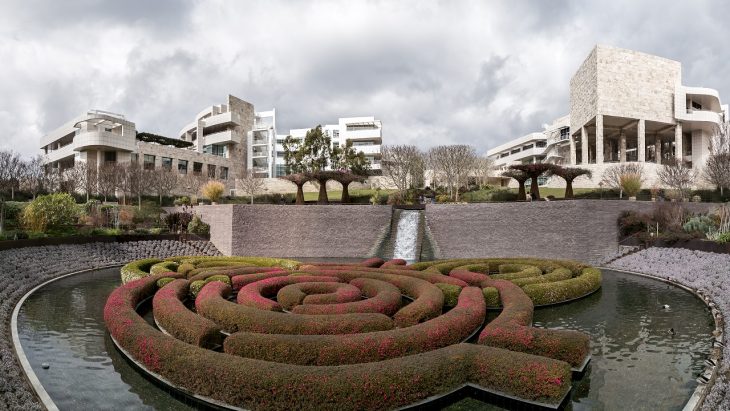
For doctoral candidates approaching the completion of their PhD, as well as recent PhD graduates seeking to advance their scholarly work, the Getty Pre- and Postdoctoral Fellowships 2026–2027 present a distinguished research opportunity. Based at the internationally respected Getty Center in Los Angeles, this fully funded fellowship offers scholars the time, resources, and intellectual space needed to develop rigorous research within a collaborative academic environment.
Hosted by the Getty Foundation, the fellowship supports researchers whose work engages with visual culture across historical and contemporary contexts. Fellows benefit from access to world-class research collections, curated academic programs, mentorship from leading experts, and sustained engagement with historians, curators, and interdisciplinary scholars.
Whether completing a dissertation or extending postdoctoral research, participants are immersed in a scholarly setting that encourages innovation, critical inquiry, and cross-disciplinary exchange.
Click here to get started
Scholars whose research focuses on African American art and cultural history may apply through the African American Art History Initiative, a dedicated pathway designed to strengthen and expand scholarship in this field.
Predoctoral fellows are typically based at the Getty Center, while postdoctoral fellows may conduct their research at either the Getty Center or the Getty Villa, depending on the nature of their project.
Your Opportunity to Participate in the Fully Funded 2026–2027 Program for Getty Doctoral Fellowships
The fellowship spans nine months, running from late September through late June. Predoctoral fellows are in residence at the Getty Center, while postdoctoral fellows may be assigned to the Getty Center or Getty Villa.
Financial support includes a stipend of $30,000 for predoctoral fellows and $35,000 for postdoctoral fellows. Additional provisions include travel reimbursement, furnished accommodation at the Getty Scholar Residences, dedicated workspace at the Getty Research Institute or Getty Villa, and access to a health plan.
Program details are based on regulations published in July 2024 and may be subject to adjustment in future fellowship cycles.
Eligibility Requirements
Predoctoral fellowships are available to PhD candidates who have reached doctoral candidacy by the application deadline and are prepared to complete their dissertations during the fellowship period.
Postdoctoral fellowships are open to applicants who earned their doctoral degree between September 1, 2021 and the present.
Applicants who completed their PhD prior to September 1, 2021 should apply under the Getty Scholar Grant category rather than the postdoctoral fellowship.
Former recipients of Getty residential grants may submit a new application after a six-year interval, provided they meet current eligibility requirements.
Selection Process
Applications are assessed by a panel of subject-matter experts using several criteria. Reviewers consider the relevance of the proposed project to the annual Getty Scholars Program theme, the scholarly significance and originality of the research, its potential contribution to art history, conservation, or the humanities, and the applicant’s capacity to complete the project successfully within the fellowship period.
The Value of a Getty Fellowship
The Getty Pre- and Postdoctoral Fellowships extend far beyond financial support. They provide scholars with entry into a global intellectual network, offering opportunities to refine research, expand professional visibility, and contribute meaningfully to the study of art and visual culture.
Former fellows have gone on to publish influential scholarship, curate major exhibitions, and hold leadership roles within universities, museums, and cultural institutions worldwide.
Conclusion
The 2026–2027 Getty Pre- and Postdoctoral Fellowships offer an exceptional platform for scholarly growth, creative inquiry, and international recognition. For researchers ready to deepen their work, collaborate with leading thinkers, and shape new conversations in the arts and humanities, this fellowship represents a significant milestone.
Participation in the program places scholars at the center of critical discourse on visual culture, providing the support and environment needed to produce work of lasting academic and cultural value.